Start with what you already have.Map an opportunity →
Deal Mapping

You probably already have one side of a good deal.

The buyers. The product. The audience. The capacity. The expertise. The relationship.

I help figure out who has the side you’re missing, why they would care, and whether there is a deal worth building between you — a way to get more out of what you already have instead of building something new.

The deal isn’t missing. The map is.

Start with what you already have. We can figure out the deal later.

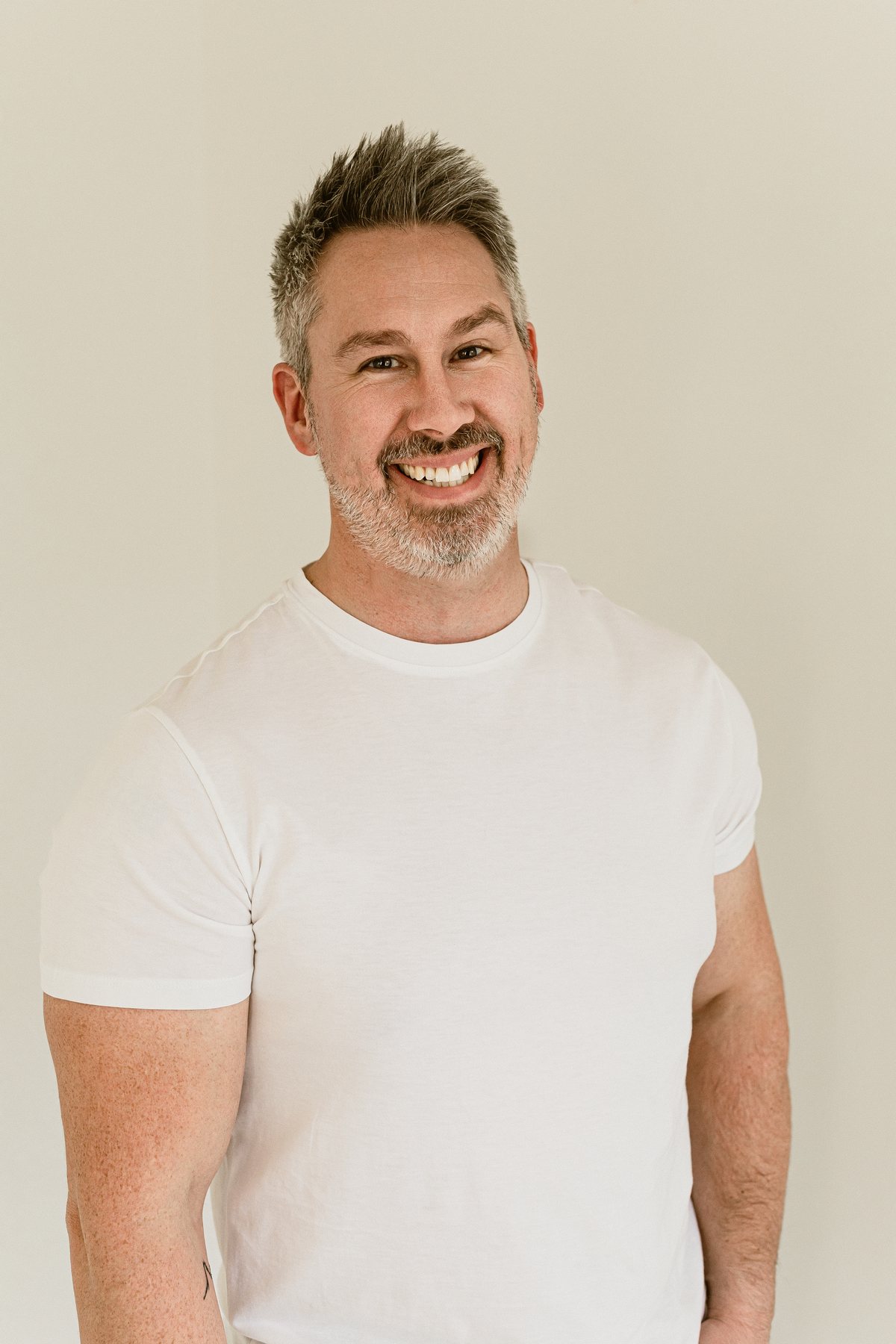
Greg Courtepatte, the Deal Mapper, smiling

Greg Courtepatte

Deal Mapper · Alberta

I notice the business sitting between businesses. One has the buyers, another has the product. One has the audience, another the expertise. Most people see separate pieces. I draw lines between them. That’s Deal Mapping.

The deal isn't missing. The map is.Map first. Name the deal later.Useful first. Bigger deal later.Start with what you already have.The deal isn't missing. The map is.Map first. Name the deal later.Useful first. Bigger deal later.Start with what you already have.
01What you already have

What side of the deal do you already have?

02Where it gets stuck

You’ve probably said one of these out loud.

"There are a few companies we've always thought we should do something with."

The relationship is there.

The deal isn't.

"Our customers keep asking us for something we don't provide."

You have the buyers and the trust.

Somebody else may already have the answer.

"We could handle five more good clients."

You have the capacity.

Somebody else may already know the five clients.

"We have a strong audience, but most vendor or sponsor relationships are one-off."

You have the distribution.

There may be a better reason to work together.

"We still sell this one customer at a time."

You have the product.

Somebody else may already have 500 of the buyers.

"We still have a few spots to fill."

You have something valuable and available.

Who would genuinely want those spots?

"We've built a lot over the years. Some of it is probably underused."

You have the asset.

It may need a new buyer, use or distribution path.

"We know everyone in this industry, but most of the relationships stay casual."

You have the access.

The missing piece may be a reason to do more together.

"Yep. We have one of those."

03What it's costing you

Most businesses don’t lack pieces. The pieces are disconnected.

Customers. Products. Vendors. Trust. Expertise. Capacity. Content. Distribution. Relationships.

Established businesses already have a lot to work with.

The pieces sit in different places.

The business with the buyers does not have the offer. The business with the offer does not have the buyers.

The publisher knows the vendors, but nothing happens after the placement.

The service company has room, but another company already knows the exact clients.

The audience keeps asking for something the business does not sell.

So good opportunities stay unfinished.

The relationship stays casual.

The open spots stay open.

The product keeps selling one buyer at a time.

The sponsor buys once and disappears.

The customer keeps asking the same question.

And: “We should probably do something together” stays exactly that.

What if you mapped the deal before you built something else?

What side do you already have?

What would you like more of?

What is missing?

Who already has it?

Why would they care?

What would be useful to them?

What is the smallest thing worth trying?

That is Deal Mapping.

Why it matters

So what does a good deal actually get you?

You almost certainly already own one side of a deal. An audience. Spare capacity. A product. A relationship. A bit of trust. On its own, that asset does a fraction of what it could. Connected to the side that fits it, the same thing turns into revenue and customers for a business, or reach and people served for an organization, with nothing new to build.

For example

Take a community owner. What they have is an audience and its trust. Alone, that might cover a few memberships or the odd paid event. Put it beside a company with a solution those people genuinely need, and the same community can pay out every month, for years, with no new product to build.

More out of what you already have

New value from the assets you already built. For a business that is customers and revenue. For an organization it is reach and support.

Extra on top, not instead

A good deal adds to what already works. It should not eat into the income or the reach you have today.

Idle things put to work

An audience you rarely email. Capacity sitting open. A relationship stuck at hello. A good deal gives each one a job.

Quiet lists worth something again

People who never bought or signed up are still worth reaching. The right partner can bring a list you gave up on back to life.

Proof before you commit

You test the idea with one small deal first, so you are not betting the year on a guess.

Something that can repeat

If the first deal works, it can become a steady, recurring relationship instead of a one-off.

You may not need something new. You may just need the pieces you already have, connected.

04The other side

Somebody already has the other side.

The piece that turns what you already have into a deal.

YOUR SIDETHE OTHER SIDEBuyersA product or service they already needA productA company with the right buyersAn audienceA useful solution to a recurring needUnused capacitySomeone with access to the customersExpertise / IPDistribution and salesVendor relationshipsA better commercial use for the relationshipAn eventSponsors or vendors who want the attendeesTrustA solution worth putting that trust behindA customer problemA company that already solves itA relationshipA clear reason to do something together

You may not need to build the missing side. Somebody else may already have it.

05What I do

I find the missing side, and I help you turn it into a deal.

Introductions are the easy part. The value is in everything around them.

I start with what you already have and what you actually want out of it.

Then I go find the company with a real reason to say yes, not just a name that looks right on paper.

I learn how they think and what they are under pressure to solve, so I know exactly where you fit.

I work out the first reason for both sides to talk that is genuinely worth their time.

I help shape the terms so it holds up for everyone at the table.

And I stay close to it until you can see for yourself that it works.

I would rather bring you one company that already wants to talk than a list of a hundred that don't.

My job is to move the opportunity forward, not hand you one more thing to manage.

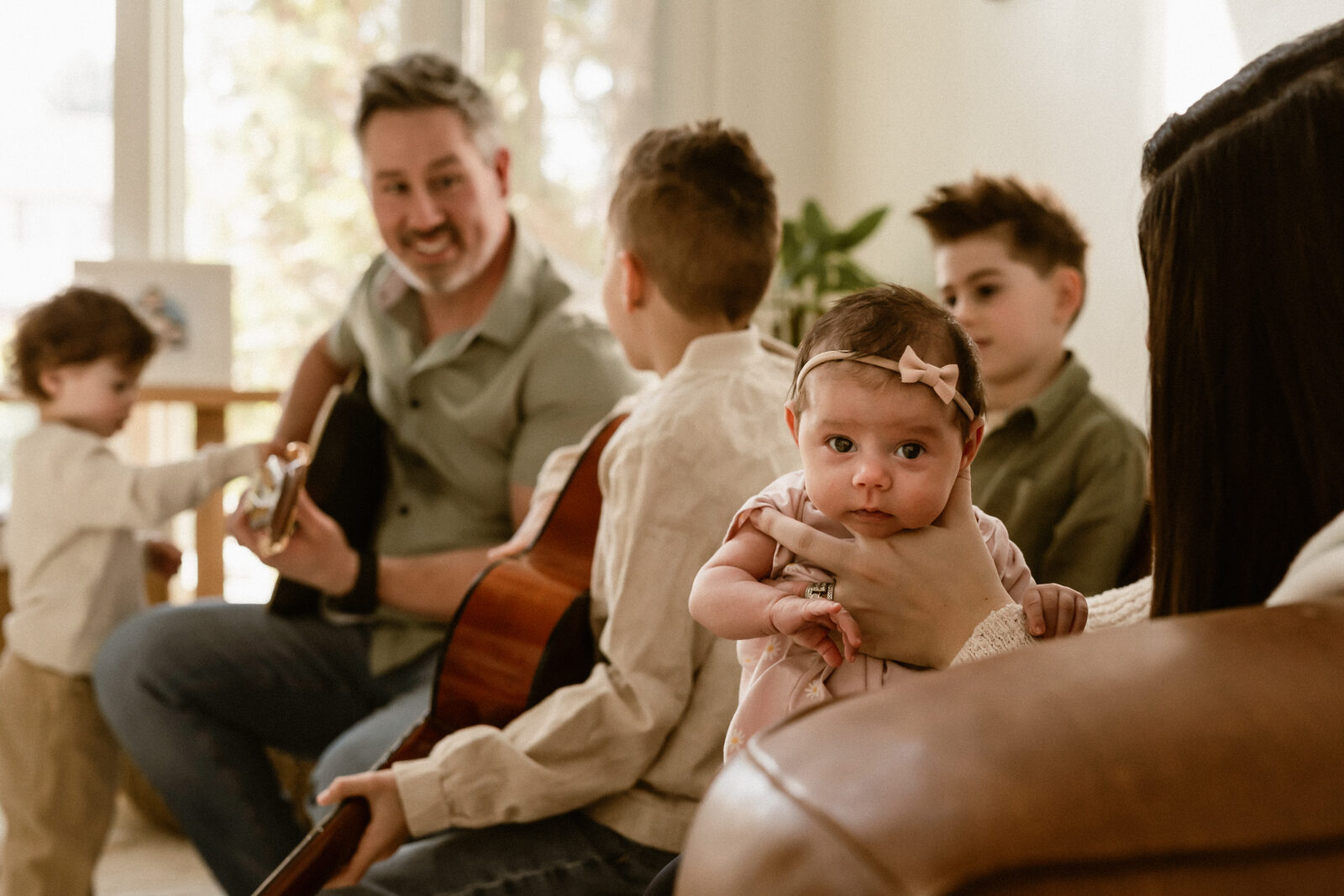
Greg at home with his family in Alberta
06Modern Operator

The work behind Deal Mapping.

I run a business development practice out of Alberta called Modern Operator. Most of the work comes down to one thing. I help a company use what it already has to reach something it wants.

Some of that is reopening leads and inquiries a business already wrote off. Some of it is finding the company that already talks to the customers you are trying to reach. Either way the job is to move a real opportunity forward, then stay close while it takes shape.

Deal Mapping grew out of doing enough of this. After a while you see the same thing everywhere. Two businesses, each holding half of a deal, neither one looking at the other.

Based in

Alberta, Canada

Practice

Business development

Works with

Established businesses

07The method

Map  →  Connect  →  Prove

01
MAP
  • What do you already have?
  • What do you want more of?
  • What is missing?
02
CONNECT
  • Who already has it?
  • Why would they care?
  • What is the first useful reason to talk?
03
PROVE
  • Try one small deal.
  • If it works, build from there.
08The deal map

A Deal Map answers seven questions.

What side do you already have?

What would you like more of?

What is visibly missing?

Who already has it?

Why would they care?

What is the first useful move?

What would make it worth doing again?

The clearest path from "there might be something here" to "here is who, why, and what we should try first."

09In practice

The same move, in seven different businesses.

10Case studies

A few case studies

Real deals I’ve worked on with colleagues and friends. One side already had something the other side needed, and a small first step proved it. Under each, you can see the two sides and the move that connected them, so the same pattern is easy to spot.

01

The tasting nights

Co-selling
A room that trusts her palateGood bottles nobody had heard of

How it came together

She runs monthly wine tastings, and a few hundred regulars trust her picks enough to buy whatever she pours. An importer I knew kept landing quiet, excellent bottles with no easy way to get them in front of real drinkers. They moved in the same world and had never once done business together.

Before

Trusted taste, nothing of her own to sell.

After

A cut of every case her room moves.

The move

His problem was reach. Hers was that she gave away great recommendations for free. So we lined the two up, and nothing was signed. She simply poured one of his bottles at the next tasting and said a little about where it came from. The room asked where to buy it before she even finished. Her word did what no label on a shelf ever could, and that single pour was all the proof either of them needed.

What resulted

She now takes a share on every case that moves through her nights, and he has a following he could never have bought his way into. They pick a bottle to feature together each month, so the thing that started as one pour quietly became income that shows up again and again.

The principle

Trust is an asset. Set it beside a product worth vouching for, and both sides reach something they never could alone.
02

The binder in the back office

Licensing
Years of systems that workOwners who want the shortcut

How it came together

She had run a dance studio for years and quietly built systems that actually worked, from lesson plans to the parent emails that keep families enrolled season after season. Other owners kept asking how she did it, and for a while she explained it one phone call at a time, for free.

Before

Years of good systems sitting in a folder.

After

Monthly income from work already done.

The move

The instinct was to open more locations or coach people for hours. We did the opposite. We handed the whole folder to one friendly studio across town and watched what they actually reached for. The parts they leaned on became a simple monthly access package. It turned out owners wanted the finished shortcut far more than they wanted to build their own from scratch.

What resulted

She gets paid every month for work she finished years ago, without adding an hour to her week. Each studio that joins makes the package look more proven to the next one, so the income grows on its own instead of leaning on her time.

The principle

Knowledge you have already built can be rented out, not re-explained for free.

03

One good shelf

Distribution
A local maker with a followingA chain with the right shoppers

How it came together

He made hot sauce in small batches and sold it online one bottle at a time, on margins that barely moved. A regional grocery chain already had the exact shoppers he wanted, walking past its shelves every single day.

Before

One bottle at a time, thin margins.

After

A shelf that sells for him.

The move

Instead of grinding harder online, we went after one meeting with a single buyer. The pitch was never really the sauce. It was the story of a local maker with a following the buyer could point to. That was what the buyer wanted, so we made it easy to say yes by testing in just a handful of stores first.

What resulted

The reorders made the argument for us, and the shelf has been doing the selling ever since. Once a few stores proved it moved, the chain widened it on their own, which is the kind of growth you cannot get selling one bottle at a time.

The principle

A product with a story does not need a bigger ad budget. It needs the right shelf and a small test to prove it.

04

The list someone stopped using

Revenue share
An engaged list gone quietSomeone who would run it well

How it came together

He built a newsletter of about fifteen thousand home-espresso enthusiasts, then life got busy and he let it go quiet. The list still opened almost everything he sent. He did not want to sell it. He just did not want it to fade out.

Before

An engaged list, gone quiet.

After

An audience earning again, trust intact.

The move

Rather than ask to buy the list, I offered to run it well and pay him a share of whatever it earned, with his name still on every send. What he cared about was not letting his readers down, so the first email carried no offer at all. It was purely useful, a way to see if the list was still awake. It was.

What resulted

The offers came later, once it was clear the trust was still there, and the list started earning again without costing him the goodwill he had spent years building. Because he stayed the trusted name on it, both sides had a reason to keep it going month after month.

The principle

A quiet audience still holds real trust. The trick is to earn from that trust without spending it.

05

The add-on that closed the sale

Bundling
A good pan and the buyersAn oil maker and a recipe cook

How it came together

He ran a shop selling cast-iron pans. His buyers were already going elsewhere for seasoning oil and a beginner recipe card, and he had been treating those other sellers as noise rather than neighbours worth knowing.

Before

A pan on its own was a maybe.

After

A complete kit that closes itself.

The move

We asked a small oil maker and a home cook with a recipe following to add their piece to the offer. It cost them nothing and put them in front of fresh buyers, so both said yes fast. That is the quiet lever here. You borrow value from the business next door instead of building your own. At checkout, a bare pan was a maybe, but a pan that arrived ready to cook on felt like a full kit.

What resulted

Same core product, far better offer, and noticeably more of those maybes turned into paid orders. None of it needed a new product, only a short conversation with two neighbours who were glad to be asked.

The principle

The fastest way to make an offer bigger is to borrow value from the business next door, not build it yourself.

06

The widget he kept rebuilding

Licensing
A tool rebuilt every timeA trade that all needs it

How it came together

He built websites for landscaping companies, and his sharpest trick was a small quote tool that filtered out tyre-kickers before they ever picked up the phone. He kept rebuilding it from scratch for each new client and billing the hours, as if the work itself was the value.

Before

Rebuilt from scratch, billed by the hour.

After

Set up once, paying every month.

The move

The asset was the tool, not the hours spent making it. So we packaged it once and rented it for a monthly fee to any company in the trade that wanted it. Owners were sick of quoting jobs that never booked, and this cut those dead-end calls right down. That was the hot button that made them reach for their card.

What resulted

He set it up once and it keeps paying, month after month, instead of trading another week of his life for another one-off build. Every new company that rents it adds income without adding work, which is the opposite of how he used to earn.

The principle

Sometimes the asset is the thing you keep rebuilding. Package it once, and let it pay you again and again.

07

The free chair in the lobby

Sampling
Skilled hands, no ad budgetEmployers who want easy perks

How it came together

She wanted more regular massage clients and had no interest in pouring money into ads. Big local employers, meanwhile, were forever hunting for small, low-cost ways to look after their staff.

Before

No new clients, no ad budget.

After

Regulars who found her on their own.

The move

She offered a few employers a free chair-massage afternoon for their teams, with no strings attached. The company looked generous for almost nothing, which was exactly what they wanted, and everyone who sat in the chair got a real taste of the work. She left an easy way to book and let the people who loved it come back on their own.

What resulted

One good afternoon brought in more regulars than a month of advertising ever would have. The employers liked how it landed and asked her back, so a single favour turned into a standing reason to be in the building.

The principle

A real sample in the right room will out-earn paid ads to strangers almost every time.

08

The campaign that worked twice

Revenue share
A campaign that reliably worksFirms in other cities

How it came together

He bought ads for one injury law firm and, after a lot of trial and error, found a version that reliably brought in real cases. Firms in other cities were not competitors. They simply did not have the campaign he had already proven.

Before

One firm in one city, billed by the hour.

After

The same win, city after city.

The move

Instead of selling ad services by the hour, we carried the proven campaign to a firm in a city he did not already serve and ran it for a share of the cases it brought in. The firm did not have to learn anything or pay up front. They only paid once real cases showed up, which moved all the risk off their desk.

What resulted

Once it worked in the second city, the exact same package was ready for a third, then a fourth. What had been billable hours in one town became a repeatable engine he could take anywhere the map was clear.

The principle

Prove something once, then repeat it in every place where you are not competing with yourself.

Free · about two minutes

Get your one-page Deal Map

Tell me what you already have and what you want more of. I’ll map the deals hiding inside it, name who holds the other side, and put a rough number on what it could be worth. It lands in your inbox too.

No cost. No call booked. Just the map.
11The first move

The first move should take work off your plate, not add to it.

I do not want to hand you a 40-page partnership plan and leave.

If there is something worth exploring, I would rather help move it. That could mean:

  • researching the companies you most want
  • finding the right people
  • learning what they are trying to accomplish
  • working out the fit
  • taking the first conversation
  • shaping the first offer
  • bringing an interested company back
  • helping run the first small test

Useful first. Bigger deal later.

Map an opportunity
12The full arc

Map  →  Connect  →  Build  →  Prove  →  Flow

1

MAP

Figure out what you have, what you want, and what is missing.

2

CONNECT

Find who has it and give them a useful reason to talk.

3

BUILD

Work out what both sides want and what a good deal looks like.

4

PROVE

Try one small deal. See if it works.

5

FLOW

If it works, decide whether it should repeat, expand or become a deeper commercial relationship.

13Sweeten the deal

Three ways to make an offer land

When an offer is close but nobody is biting, the fix is rarely a better product. It is usually one of these three moves — and each one comes from asking, not spending.

Price

Bring the group, ask for the group rate.

One buyer has no pull. A crowd does. When you bring the whole group to the table, you can ask for a number no single person could get, then pass it straight to them. The buyers feel looked after, and the seller still comes out ahead, because they moved real volume in one move instead of chasing it one sale at a time.

Bonuses

Borrow value from the business next door.

The fastest way to make an offer bigger is to borrow a product from the business next door, not build your own. They get in front of new buyers for free, so they are usually glad to throw their thing in. You spend nothing, and a good offer suddenly feels worth acting on today. It starts with one short conversation and a simple ask.

Terms

Move the money to when it feels safe.

Often the price was never the problem. The timing was. Let people pay over a few months, or only once they have seen it work, and the risk they were worried about quietly disappears. You have not dropped your price by a cent, but the offer just got far easier to say yes to. Changing when the money moves often beats any discount.

14Before you build

Before you build another thing, look at the pieces you already paid for.

Your customer base took years to build.

Your reputation took years to earn.

Your relationships took years to develop.

Your expertise took years to learn.

Your content, systems, products, events and distribution took real work.

Deal Mapping asks whether those pieces have another useful commercial life before you go build the next thing from scratch.

15The first message

What to actually say

The first message does not have to be clever. It has to be easy to answer and clearly on their side. Something like this does the job:

“Hey — does your company ever collaborate with other businesses? I had an idea I’d love to run past you.”

That is the whole opening. If you already have a result worth mentioning, add one honest line about it. Then let them answer.

Show up as a buyer, not a seller

The easiest yes is the one where you are bringing someone an opportunity, not asking them for a favour. Lead with what is in it for them and their people.

Build the picture before the split

Going straight to the profit share gets fewer replies than laying out the whole opportunity first. Show how it serves their customers, then talk about how the money works.

Intent beats wording

There is no perfect message. What matters more is how you show up. Approach people in the spirit of collaboration and the words mostly take care of themselves.

16How I work

Find the fit first. Name it later.

Sponsorship, referral, licensing, reseller, revenue share — these are all just names for the shape a partnership can take. Reaching for one too early puts the label ahead of the substance.

So before any of that, I work out the simple things:

Is there a real fit between the two sides?

Does each one want something the other can actually help with?

Are the numbers worth everyone's time?

Can we test it without turning it into a giant project?

Once the fit is real, the right shape is usually obvious. It might be a:

referralsponsorshipdistributionlicensingresellerco-created offerrevenue sharepreferred partnerrecurring commercial relationshipone-off collaboration

The label comes last. It is just the result of the fit.

Leave good relationships alone

If something is already working well, I am not looking for a reason to wedge myself into it.

Do not invent a problem

If you tell me the lane is full or handled, good. We move on.

No forced deals

A clear "there's nothing here" is useful.

Protect the customer

A deal that hurts trust is a bad deal.

Earn the middle

My role only matters while I keep making the opportunity easier to source, understand, build, track or grow.

17Go deeper

A few books worth your time

None of this is new. People have been mapping deals for a long time. If you want to keep going, these are the ones I point people to.

01

Never Eat Alone

Keith Ferrazzi

On networking and relationships. Good ground for the bigger deals, where who you know does a lot of the work.

02

Endless Referral

Bob Burg

On intros and referrals. Handy for getting introduced to the people who can actually move something.

03

No Cash No Problem

Dave Wagenvoord

On trading instead of paying. Plenty of ideas for swapping what you have for what you need.

04

Getting Everything You Can Out of All You've Got

Jay Abraham

Business in general, with strong sections on host-beneficiary partnerships that read a lot like deal mapping.

05

Joint Ventures: From Mediocrity to Millions

Jay Abraham

A whole book on partnerships. Dated in places, but the principles hold up well.

06

Guerrilla Marketing and Joint Ventures

Sohail Khan

More solid ground on putting joint ventures together.

Block off time to make your first move — even fifteen minutes.

Actually putting it on the calendar helps more than it should. Once you get going, you may find it hard to stop.

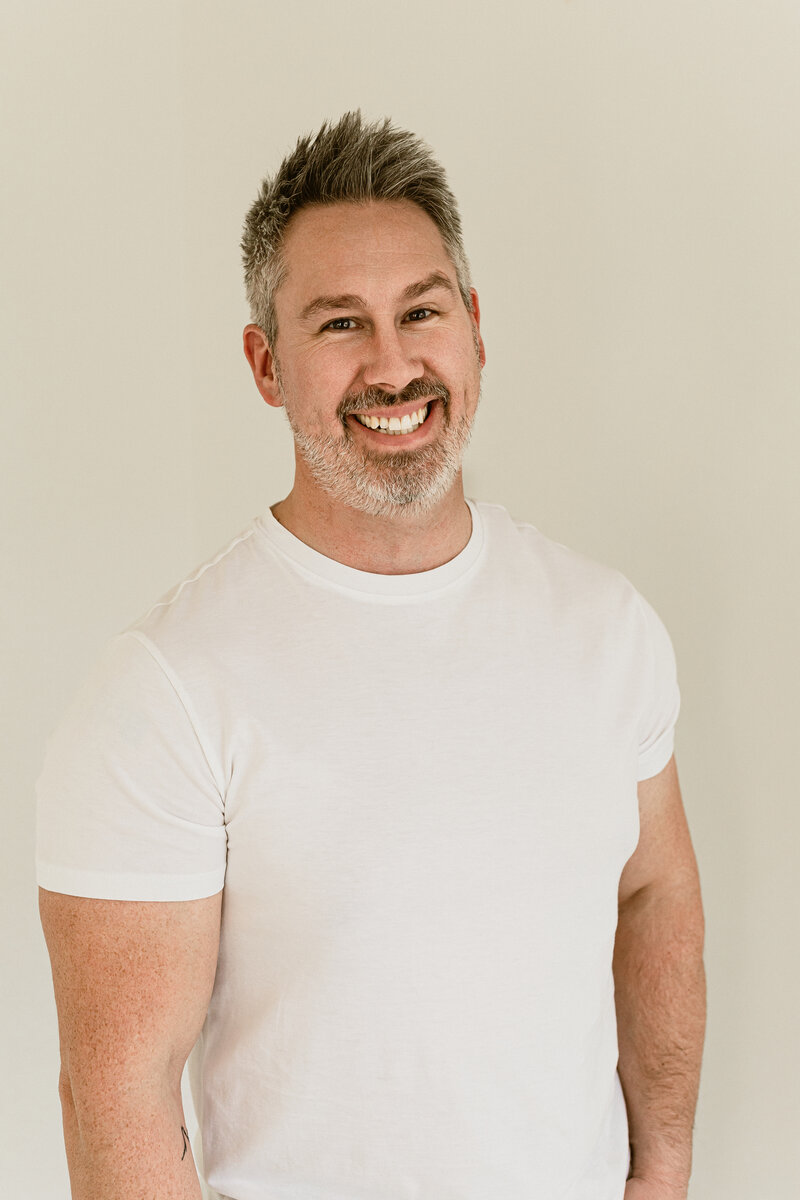
Portrait of Greg Courtepatte
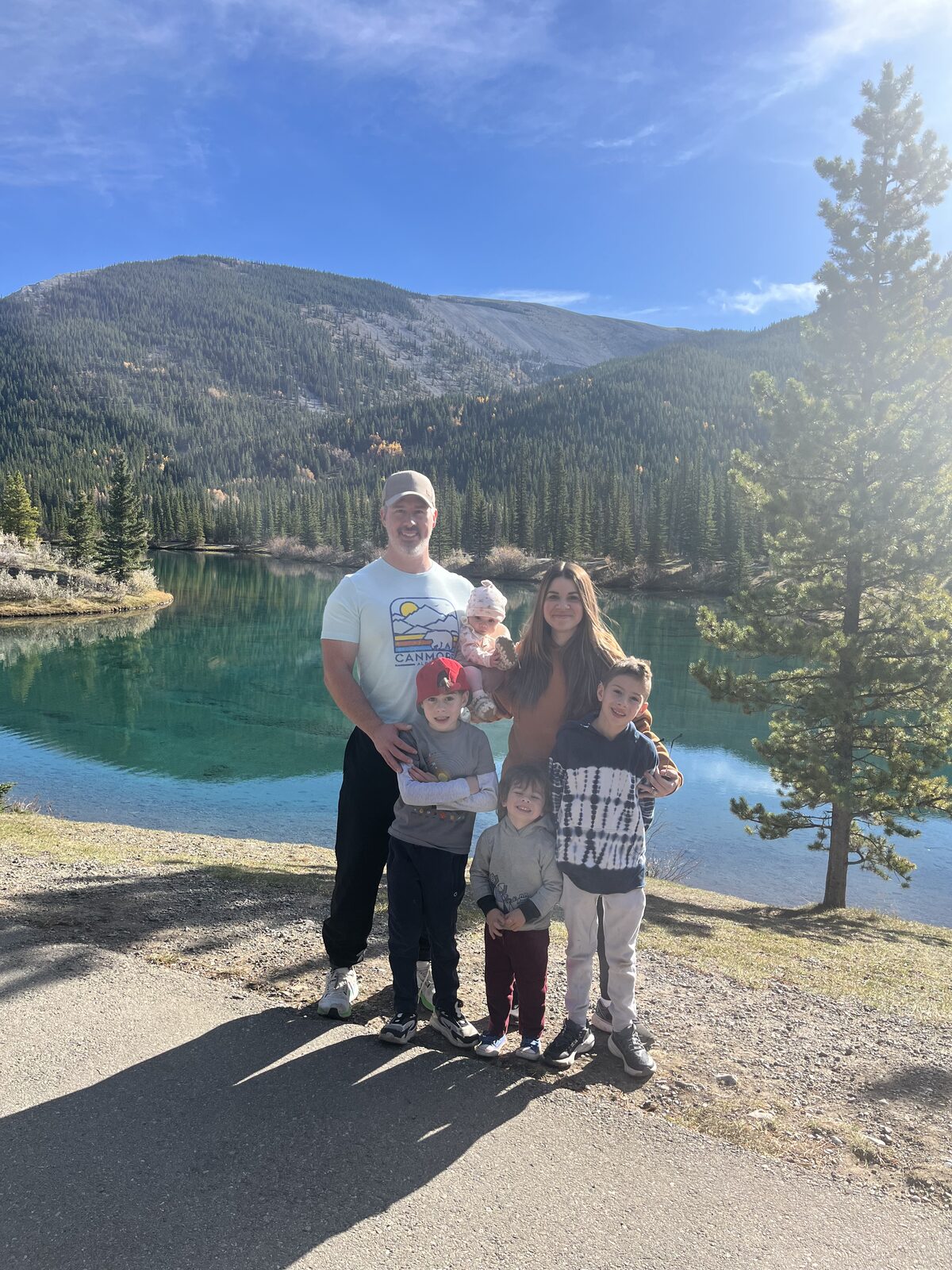
Greg and his family by a lake in the Alberta mountains
18About

I tend to notice the business sitting between businesses.

One company has the buyers. Another has the product.

One has the audience. Another has the expertise.

One has spare capacity. Another already talks to the customers who could fill it.

A publisher has vendors. An association has trust.

A business has a relationship everyone keeps saying they should do more with.

Most people see separate pieces. I tend to start drawing lines between them.

That's Deal Mapping.

I like figuring out what each side actually wants, why the connection makes sense, and what I can do to move it far enough that we stop guessing.

Sometimes it becomes a referral. Sometimes sponsorship, distribution, licensing, revenue share or something nobody would have named at the beginning.

Sometimes there is no deal.

That's useful to know too.

Greg Courtepatte

Deal Mapper · Modern Operator

Connect on LinkedIn →
19Start a map

What side of the deal do you already have?

You don't need to know what the partnership is.

Tell me what you already have and what you'd like more of.

Or tell me about the company, relationship or opportunity you keep thinking:

"There's probably something there."

We can map from there.

Your information is stored securely and only used to respond to your inquiry.